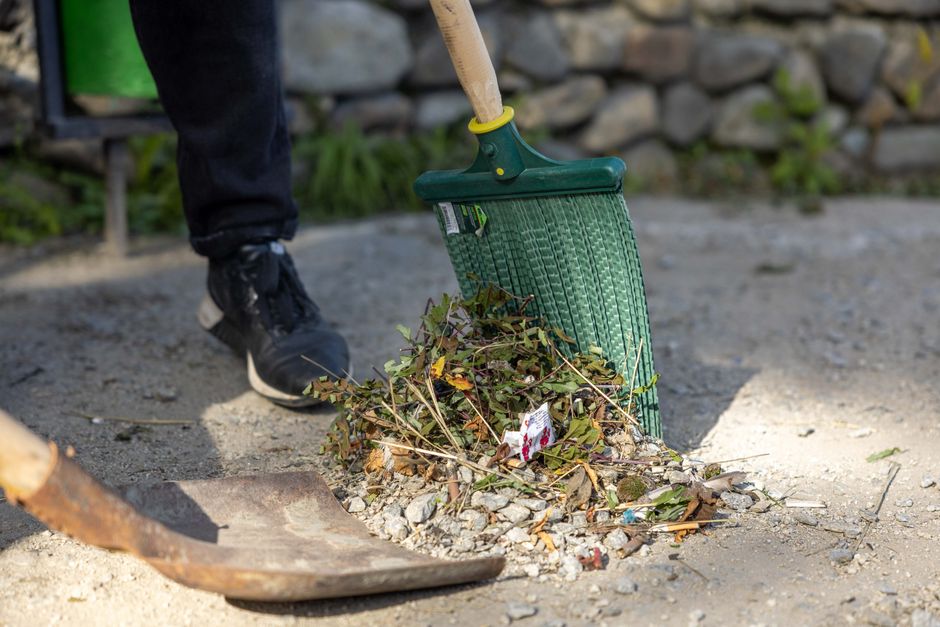
If you garden in Hackbridge, garden waste can turn into a surprisingly annoying problem fast. One weekend you are trimming a hedge or clearing a border, and the next you have bags of grass, branches, leaves, and old plants sitting in the shed or on the driveway. The Sutton Council garden waste rules Hackbridge gardeners must follow are there to keep that waste moving properly, avoid fly-tipping, and make sure you are using the right disposal route for the right material.
That sounds simple enough, but in practice there are a few details people miss. Can you put soil in with hedge trimmings? What about thorny clippings, bulky branches, or turf? And if you are hiring help, who is actually responsible for disposal? This guide walks through the rules in plain English, shows you how they affect everyday gardening in Hackbridge, and gives you a practical system for staying compliant without making the job harder than it needs to be.
Along the way, we will also touch on sensible ways to reduce waste at source, improve recycling, and decide when a full clearance service makes more sense than trying to wrestle with bin day yourself. Truth be told, a tidy garden is lovely; a tidy waste plan is even better.
Why Sutton Council garden waste rules Hackbridge gardeners must follow Matters
Garden waste is not just "stuff from the garden". In council terms, it needs to be separated, stored, and presented correctly so it can be collected or processed safely. In a place like Hackbridge, where many gardens are compact and access can be tight, that matters even more. A messy pile of mixed waste on a small path can become a nuisance quickly. It can attract pests, block access, and create problems for neighbours if it is left out too long.
The main reason these rules matter is simple: green waste is usually treated differently from general household rubbish. Grass cuttings, leaves, and prunings can often be composted or processed as organic material, while items like soil, rubble, treated wood, plastic pots, and general rubbish are handled differently. Mixing them up makes disposal more expensive and less efficient. It can also mean your waste is rejected or collected incorrectly.
There is another layer too. If you are using a gardener, landscape team, or clearance contractor, you still want confidence that waste is being dealt with responsibly. Nobody wants the awkward surprise of finding bags dumped in a layby or left in a shared alley. Let's face it, that is the sort of problem that starts small and becomes a headache for weeks.
For local homeowners, landlords, and tenants, following the correct waste route also helps keep the garden looking professional. It is not glamorous, but it is part of good garden upkeep, just like mowing the lawn or trimming a hedge. If your garden work often involves larger clearances, the right approach is to pair routine maintenance with a planned disposal method. Services such as garden maintenance and garden clearance can make that easier when the piles start to build up.
How Sutton Council garden waste rules Hackbridge gardeners must follow Works
At a practical level, garden waste rules usually come down to three things: what the waste is, how it is stored, and how it is collected or removed. The exact council service arrangements can change, so the safest habit is to check the current local collection terms before putting anything out. But the core logic stays the same.
1. Keep garden waste separate
Green waste should be separated from general household waste and recyclable containers. A bag of grass clippings should not be mixed with food waste, broken plant pots, or old compost bags. Once waste is mixed, it is much harder to process responsibly.
2. Use the right container or presentation method
Council collections often depend on bins, bags, or other approved containers. The important part is not guessing. If a collection scheme expects waste to be loose, bagged, or in a specific bin, follow that format. Overfilled or unsuitable containers are one of the quickest ways to end up with missed collection or a rejection.
3. Keep the waste clean enough for processing
Garden waste is generally accepted only if it is made up of organic material. Soil, stones, bricks, treated timber, plastic ties, plant labels, and general rubbish can all cause issues. Even a little contamination can make a load less suitable for composting.
4. Store it sensibly before collection
If collection day is not immediate, keep the waste somewhere that does not block paths, create odours, or encourage pests. On a damp November morning, wet grass and leaves can smell earthy and harmless, but left in a heap for too long, they quickly become heavier, messier, and less pleasant to deal with.
5. Use licensed removal for larger jobs
If your work goes beyond routine pruning or mowing, you may need a contractor to remove the material. This is especially true for bulky jobs such as tree works, heavy hedge reduction, or a full garden reset. In those cases, it is sensible to choose a service that understands disposal responsibilities, safety, and recycling. You can explore tree lopping and removal for larger woody waste, or review the wider services overview if you want a broader maintenance plan.
One useful way to think about it is this: the council decides how the waste should move through the system, and you decide whether to manage it yourself or hand it to a professional. Simple. Not always easy, but simple.
Key Benefits and Practical Advantages
Following the local garden waste rules is not just about avoiding trouble. It brings some real, everyday benefits for Hackbridge gardeners.
- Cleaner outdoor space: waste does not pile up in corners or along fences.
- Better collection reliability: correctly prepared waste is less likely to be left behind.
- Lower contamination risk: keeping green waste separate helps recycling and composting.
- Less neighbour friction: nobody enjoys shared access blocked by sacks of clippings.
- Safer working conditions: branches, thorny cuttings, and uneven piles create trip and cut hazards.
- More efficient garden care: if disposal is planned, maintenance jobs feel much more manageable.
There is also a commercial benefit if you are a landlord, property manager, or small business with outdoor space. A reliable waste routine keeps external areas presentable and reduces the chance of reactive, last-minute clear-ups. That matters when a garden is part of the first impression.
If you are already planning larger upgrades, waste management should be part of the project from the start. It is often easier to coordinate clearance alongside landscaping, landscape gardening, or even structural additions like decking services than to deal with waste afterward in a rush.
Who This Is For and When It Makes Sense
This guidance is for anyone in Hackbridge who produces garden waste and wants to stay on the right side of local disposal expectations. That includes:
- homeowners doing regular garden upkeep
- tenants with private gardens
- landlords managing rental properties
- busy families who batch garden jobs on weekends
- older residents who need light, occasional garden help
- people tackling a seasonal clear-up after storms or growth spurts
- trade and maintenance teams working on residential outdoor spaces
It becomes especially important when the job gets bigger than routine mowing or deadheading. For example, if you have just cut back a hedge, lifted a bed, or cleared an overgrown corner, the amount of waste can double or triple in an afternoon. That is usually the point where people realise bin space is not unlimited. Been there, honestly.
If your garden waste is mostly grass, small prunings, and leaves, routine collection or small-scale composting may be enough. But if you are dealing with woody branches, heavy loads, or mixed debris after a full tidy-up, it may be smarter to arrange specialist help. Services like hedge trimming, lawn mowing, and garden clearance are often where waste volume starts to rise quickly.
Step-by-Step Guidance
If you want to handle garden waste properly without overthinking it, use this simple process.
- Sort the waste immediately. Split green waste from general rubbish, rubble, plastic, and old garden items as soon as the job is done.
- Separate the bulky material. Branches, hedge trimmings, turf, soil, and leaves should not be treated as one big mixed pile if you can avoid it.
- Check what can go in your collection route. Use the council's current guidance for what is accepted, and do not assume last year's rules still apply.
- Reduce volume where possible. Cut long branches down, shake excess soil from roots, and flatten light material so storage is neater.
- Bag or contain waste properly. Keep it secure enough not to blow away or spill, especially in windy weather.
- Store it safely until disposal day. Avoid blocking gates, drains, shared paths, or the front pavement.
- Book the right help if needed. If the waste is too bulky or the job is too large, use a responsible local service rather than making repeated trips with a small car.
A useful rule of thumb: if you are asking yourself whether a pile looks "a bit much," it probably is. The clearer the sort, the easier the removal. And no, shoving everything into one giant bag rarely makes life easier later.
If you are unsure whether your current plan will cope, a quick review of pricing and quotes can help you compare the effort of DIY disposal with a professional tidy-up.
Expert Tips for Better Results
In our experience, the gardens that stay manageable are not the ones that never produce waste. They are the ones that handle waste in small, regular steps.
Tip 1: prune with disposal in mind
Before you start cutting, think about how the waste will move. If you have no room for bulky branches, cut them into smaller sections as you work. That saves time later and makes collections much cleaner.
Tip 2: keep woody waste and soft waste separate
Grass clippings, leaves, and hedge trimmings behave differently from thick branches. Separating them helps you see how much volume each part of the job really creates. It also makes it easier to choose the right disposal method.
Tip 3: do not leave soil attached to everything
It is tempting to throw root balls and clods straight into a green waste pile, but soil adds weight fast and can change how the waste is treated. Knock or brush off excess soil where practical.
Tip 4: batch your garden jobs
A small weekly tidy-up is usually easier than one giant seasonal panic. A little mowing, a little hedge work, a little weeding. Then the waste stays controlled, not heroic.
Tip 5: align garden design with future maintenance
If your garden is frequently producing more waste than you want to manage, that may be a sign the layout needs a rethink. Better planting choices, clearer borders, and smarter access can reduce maintenance load over time. If that is on your mind, landscaping can help reshape how the space works, not just how it looks.
Small habits matter. A good pair of secateurs, a tarp, and ten minutes of sorting after each job can save you from a miserable Sunday later on. It really can.
Common Mistakes to Avoid
Most waste problems come from a few predictable mistakes. Avoid these and you are already ahead of the pack.
- Mixing garden waste with general rubbish. This is the classic mistake, and it causes the most trouble.
- Including soil, bricks, or stones. Green waste is not the same as building waste.
- Overfilling bags or bins. Heavy, bulging containers are awkward to move and may be rejected.
- Leaving waste out too early. This can block access and create a street mess.
- Assuming all contractors dispose of waste the same way. They do not. Ask how the material is handled.
- Ignoring thorny or hazardous cuttings. Rose canes, brambles, and broken branches are common causes of minor cuts and scratches.
- Forgetting shared spaces. In terraces or flats, one person's "temporary pile" becomes everyone else's obstacle.
A slightly less obvious mistake is underestimating how much waste a tidy-looking job creates. A hedge can look neat from the outside and still produce a mountain of clippings once cut back. The volume always feels a bit rude, to be fair.
Tools, Resources and Recommendations
You do not need a massive toolkit to manage garden waste well. A few practical items make the process much easier.
| Item | Why it helps | Best use |
|---|---|---|
| Heavy-duty garden sacks | Contain leaves, clippings, and lighter debris | Routine pruning and mowing waste |
| Tarp or sheet | Makes collection and dragging easier | Moving waste from the back garden to storage |
| Secateurs and loppers | Reduce branch size | Hedge work and small woody cuttings |
| Rake or leaf broom | Gathers fine debris quickly | Leaf clearance and lawn tidy-ups |
| Wheelbarrow | Handles heavier loads safely | Transporting bags or cuttings without multiple trips |
| Gloves | Protect hands from thorns and splinters | All waste handling tasks |
If you are looking for a more hands-off option, it is worth comparing routine upkeep with occasional clearance work. A combination of garden maintenance and targeted clearance often gives the best balance between cost, tidiness, and time saved. For recurring outside work, it can also help to know the contractor's policies on health and safety and insurance and safety. That is just sensible due diligence, nothing fancy.
If your approach is more sustainability-led, it is worth paying attention to the site's recycling and sustainability information too. It helps reinforce the habit of keeping reusable organic material in the right stream and reducing avoidable waste.
Law, Compliance, Standards, or Best Practice
Garden waste handling sits inside a broader responsibility framework. You do not need to become a compliance expert, but it helps to understand the basics.
First, waste should be managed so it does not create nuisance, hazard, or pollution. That is the common-sense part. Second, if a contractor removes waste on your behalf, they should handle it responsibly and in line with standard UK waste practice. Third, if you are storing waste at home before collection, it should not become a nuisance for neighbours or a safety issue for anyone using the property.
Best practice is straightforward:
- keep garden waste separate from household rubbish
- do not dump waste in communal areas
- avoid contaminating green waste with plastics or rubble
- choose reliable, traceable disposal methods for larger loads
- ask questions when a job creates unusual waste types
There is also a practical duty of care angle here. If you hand waste to someone else, you want confidence that it will be handled properly. That is why proper paperwork, clear quotation terms, and service transparency matter. If you are comparing providers, the details in terms and conditions and payment and security pages can be helpful indicators of how professionally a service is run.
Nothing dramatic, just good practice. The kind that saves awkward conversations later.
Options, Methods, or Comparison Table
Most Hackbridge gardeners end up using one of three approaches for garden waste. Which one fits depends on volume, time, and how much effort you want to put in.
| Method | Best for | Pros | Watch-outs |
|---|---|---|---|
| DIY council collection | Small to moderate regular waste | Low direct cost, familiar routine | Must follow rules carefully, limited by container size and timing |
| Home composting | Leaves, soft cuttings, some organic waste | Reduces waste, good for soil improvement | Not suitable for all waste types, needs space and patience |
| Professional garden clearance | Bulky, mixed, or heavy waste | Fast, less physical effort, useful for big jobs | Higher cost than DIY, quality depends on provider |
For a quick lawn tidy after a dry spell, DIY collection or composting can work well. For a spring reshuffle after a winter of neglect, professional clearance tends to be calmer and, frankly, less stressful. If the job also includes reshaping beds, lifting tired turf, or redesigning access, then pairing clearance with lawn mowing and broader landscape gardening makes the whole process smoother.
Case Study or Real-World Example
Picture a typical Hackbridge back garden in early spring. The lawn has thickened up after wet weather, the hedge has pushed out new growth, and the borders are full of dead stems from last year. It does not look disastrous. Just a little tired. The sort of garden that quietly asks for a proper afternoon.
The first pass is easy enough: mow the lawn, cut back the hedge, and clear the dead material from the beds. But once the cuttings are gathered, the volume is larger than expected. There are three bags of hedge trimmings, two bags of mixed soft waste, a pile of woody offcuts, and a heap of soil from re-edging one border. If everything goes into one sack, it becomes heavy, messy, and awkward to shift.
In a real-world scenario like this, the sensible approach is to split the waste into separate streams. Soft green waste goes one way. Woody material goes another. Soil is kept apart. The bags are stored neatly, and anything awkward or bulky is booked for removal as part of the larger job. That avoids missed collections and keeps the garden usable the same day, which is a small joy in itself.
That is exactly where a combined service can make life easier. A homeowner can manage the light stuff, then bring in support for the bigger load. If the job needs more than a quick tidy, garden clearance often bridges the gap between "I can handle this" and "why is there so much of it?"
Practical Checklist
Use this checklist before you put any garden waste out or arrange removal.
- Have I separated garden waste from household rubbish?
- Have I removed obvious contamination such as plastic, rubble, or metal?
- Does the waste need splitting into soft, woody, and soil piles?
- Is the container safe, secure, and not overfilled?
- Will the waste block paths, gates, or shared access if I leave it here?
- Do I know whether collection or removal is the best option for this amount?
- Have I checked whether the contractor explains disposal clearly?
- Do I need help with trimming, mowing, or larger site clearance first?
- Have I stored the waste somewhere that stays tidy and safe until collection?
- Does the plan match local collection expectations and common sense?
If you can tick most of those off, you are probably in good shape.
Conclusion
The Sutton Council garden waste rules Hackbridge gardeners must follow are not there to make life awkward. They exist to keep waste moving cleanly, reduce contamination, and make sure your garden work does not create a mess for you or anybody else. Once you understand the basics, the whole process gets much easier. Separate the waste properly. Store it sensibly. Choose the right disposal route for the size of the job.
For small jobs, a routine collection mindset is usually enough. For larger clearances, mixed material, or heavy pruning, a more structured approach saves time and stress. That is often where proper maintenance support makes the biggest difference, especially if the garden has become a bit of a tangle after a busy season.
If you want a cleaner, more manageable outdoor space without the guesswork, bring your waste plan into the gardening plan from the start. Your future self will be grateful, and on a damp Tuesday in Hackbridge, that counts for quite a lot.
Get a free quote today and see how much you can save.
Frequently Asked Questions
What garden waste can Hackbridge gardeners usually put out for collection?
In general, garden waste means organic material such as grass cuttings, leaves, hedge trimmings, and small branches. The exact accepted list depends on the current local arrangement, so it is wise to check what is allowed before putting anything out. Mixed rubbish, soil, rubble, and plastic are usually handled separately.
Can I put soil in with green waste?
Usually not. Soil adds weight and can contaminate the waste stream. Small traces may sometimes be unavoidable on roots, but large amounts of soil should be kept separate and handled as a different material.
What should I do with branches and woody cuttings?
Smaller woody cuttings can often be bundled or bagged depending on the collection method, while larger branches may need to be cut down further or removed as part of a clearance service. If the material is bulky, it often makes sense to arrange specialist help.
Is home composting a good option for garden waste?
Yes, for the right material. Leaves, soft plant matter, and some grass clippings can work well in a compost system. It is less suitable for thick branches, weeds that have gone to seed, or waste contaminated with soil and debris.
What happens if I put the wrong things in my garden waste?
Your waste may be rejected, left behind, or diverted into a less efficient disposal route. It can also create practical problems for crews and potentially increase costs if the load has to be sorted again.
Do I need a professional for a small garden tidy-up?
Not always. Small, regular jobs can often be handled by the homeowner. But if the job involves heavy pruning, overgrown areas, or multiple bulky piles, professional support can save time and reduce hassle.
How do I know if garden clearance is better than routine maintenance?
If the garden has become overgrown, waste is building up faster than you can remove it, or you need to clear multiple areas in one go, clearance is usually the better option. Routine maintenance works best when the garden is already under control.
Can I leave garden waste on the pavement before collection?
Only if the local rules and timing allow it, and even then it should be done carefully. Waste should never block access, create hazards, or cause inconvenience to neighbours. If in doubt, keep it inside your property until collection time.
Why do some contractors separate waste types?
Because different materials need different treatment. Soft green waste, woody material, and soil do not all behave the same way. Separating them helps with recycling, disposal efficiency, and cost control.
What is the safest way to handle thorny or sharp cuttings?
Wear gloves, use secateurs or loppers instead of bare hands, and place sharp material into secure containers. Rose canes, brambles, and broken branches can all catch skin quickly if you are not careful.
Are there benefits to combining waste removal with other garden work?
Yes. If you are already booking mowing, hedge trimming, or a larger redesign, combining the jobs can make the whole process smoother and reduce repeated disruption. It also helps with planning the amount of waste before it builds up.
Where can I find more support for a larger garden project?
If you are planning a bigger tidy-up or redesign, it is worth looking at the full range of local services and support pages, including services overview, about us, and contact us for next steps and practical help.